01Cold-rolled and galvanized: different stages
Cold rolling describes a rolling route; galvanizing describes a surface-protection process. A cold-rolled substrate can subsequently be galvanized, so these are not necessarily opposing product categories. The cold-rolled route involves preparation, rolling, heat treatment, levelling and finishing; a coating specification is an additional decision.
02Fabrication requirements by operation
Cutting requires dimensional and edge control; welding involves joints and thermal distortion; bending and stamping depend on material condition and formability. Painting requires suitable cleaning and pretreatment. Thin sheet, painted material and different tempers should not be assumed to use identical process settings.
03Avoid incomplete comparisons
Sheet thickness does not describe zinc-coating mass. A colour code does not define the paint system or weathering performance. Stainless steel is not immune to every environment. Compare substrate, grade, coating, finish and actual exposure together, with the applicable acceptance requirements.
04Annealing and material condition
Annealing can reduce the effects of work hardening, relieve residual stress and support subsequent bending, stamping or deep drawing. The required condition depends on the alloy or steel grade and processing route. Specify the material condition for the operation; annealing is not a single interchangeable treatment for every metal.
05Furniture, storage and electrical enclosures
Galvalume and other coated sheet can be specified for metal furniture, shelving and logistics equipment, electrical cabinets and equipment housings. Each component connects structural requirements, cutting and forming, joints and visible surfaces. The application name does not replace a drawing, material grade or project-specific design.
06Galvanizing processes and coating designations
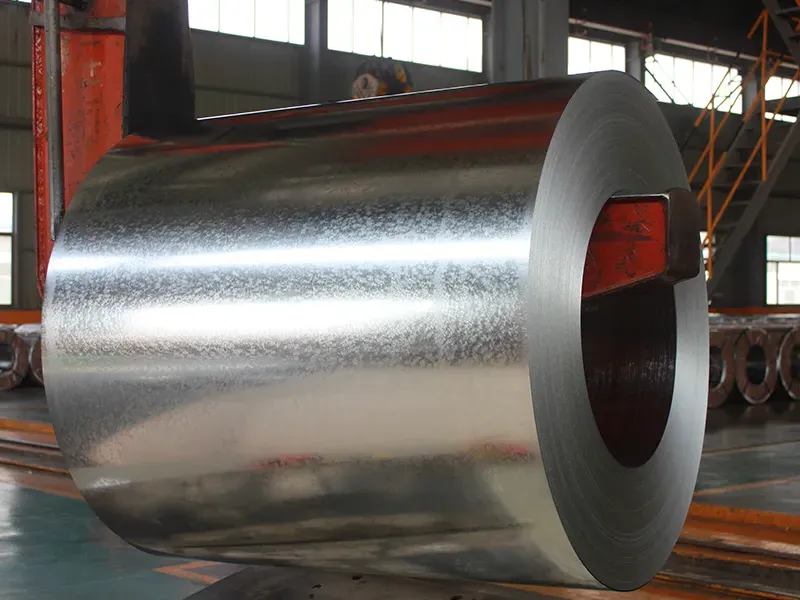
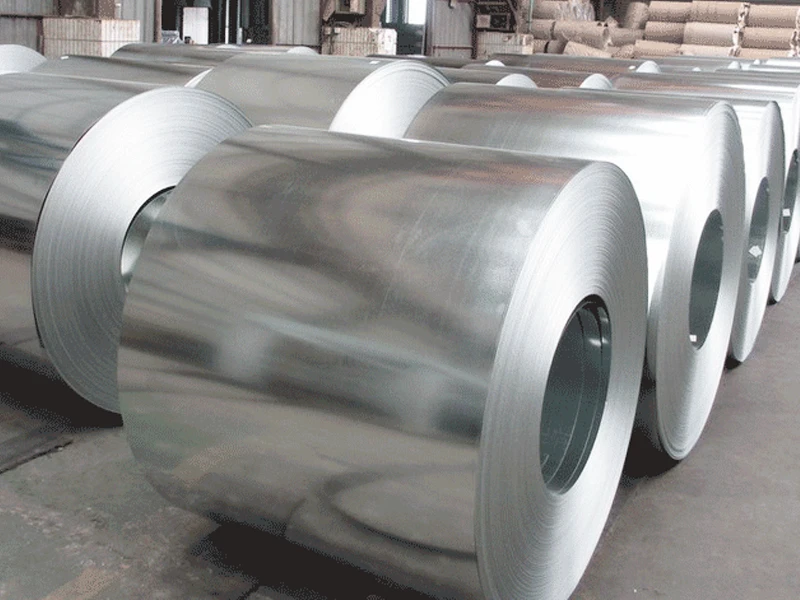
Hot-dip coating and electrodeposition are different process routes. Zinc coating Z and zinc-iron coating ZF are coating designations, while regular, fine and zero spangle describe surface appearance. Confirm the route and designation required by the order; a product name alone is not a complete manufacturing specification.
07Cold-rolled sheet: surfaces, dimensions and applications
Cold rolling is used to obtain sheet with defined thickness, surface condition and dimensional control for subsequent fabrication. Construction components, appliance housings and vehicle panels have different requirements for grade, tolerance, forming and finishing. A cold-rolled substrate can subsequently be galvanized or prepainted; the rolling route alone does not establish the final corrosion-protection system.
08Colour-coated surfaces: plain, embossed and printed
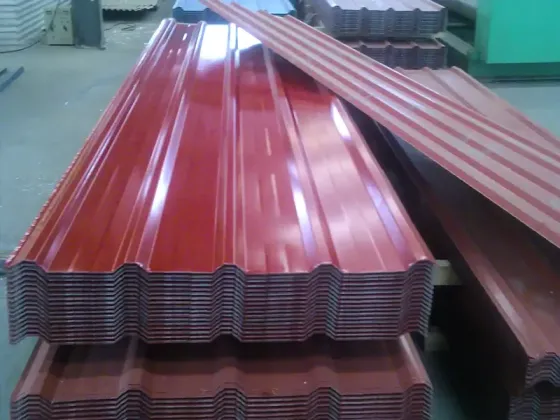
A colour-coated surface can be plain, embossed or printed. Colour identifies the visual reference; embossing adds surface texture; printing adds a decorative pattern. These appearance choices must be specified alongside the substrate, paint system, film thickness and gloss. Coated sheet may subsequently be profiled or used as a panel facing, but a facing material does not define the performance of an entire building-panel system.
09Prepainted sheet in buildings
Exterior walls, roofs and interior decorative panels place different demands on painted sheet. Exterior selection considers exposure and weathering; visible interior surfaces require agreed colour, gloss and texture. Profile geometry, joints, fastenings and the supporting structure belong to the building design. Paint selection alone does not establish fire, waterproofing or structural performance.
10Galvanized sheet in fabricated components
Galvanized sheet is used across building components, appliance panels, transport fittings and metal furniture. Examples include studs, purlins, refrigerator backs, washing-machine housings, truck compartments, toolboxes, shelves and storage cabinets. Each component needs its own grade, thickness, zinc coating and fabrication specification. Visible surfaces and cut edges should be considered with the assembly and service conditions.