Grade and rolling route
The range lists 201, 304, 316, 430, 310S and 904L. Grade, hot- or cold-rolled condition and dimensions must be stated together. A similar polished appearance does not make different grades interchangeable.
Stainless steel selection starts with the service environment and the required grade. Surface finish, thickness tolerance and fabrication requirements should be considered together. Grades should not be treated as interchangeable without checking the application requirements. For demanding environments or regulated applications, specify the relevant technical requirements and required documentation.
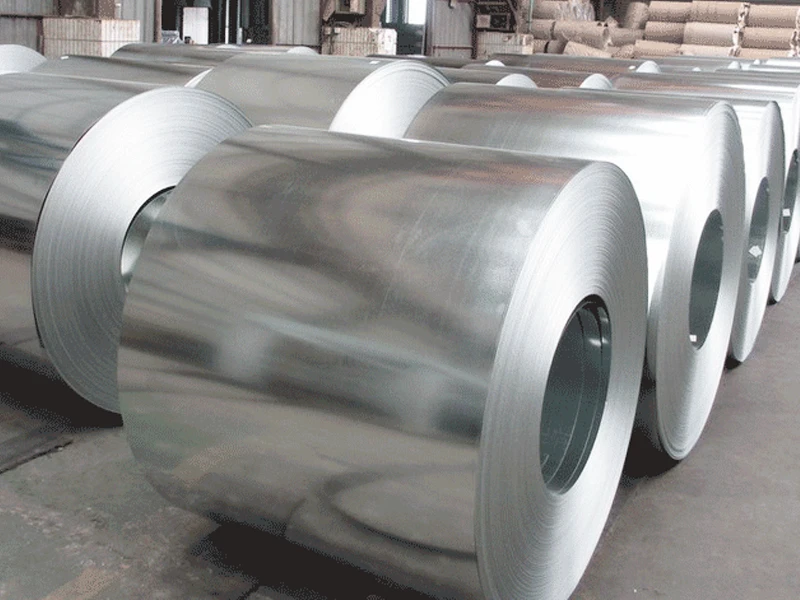 View product images +
Dimensions and specification bases require separate review for unpainted and prepainted stainless steel. Prepainted products also require a defined substrate finish and paint specification.
Grade selection must address the service environment. Hot or cold rolling, thickness and tolerances must be specified and checked for each grade and rolling condition.
Surface specifications include the finish designation and exposed face, with the decorative appearance checked against a physical sample.
Slit or mill edges must be agreed and matched to subsequent cutting and bending requirements.
PRODUCT INFORMATION
Product specifications cover material, dimensions, finish and purchasing conditions. Final supply specifications, suitability, availability and commercial terms remain subject to confirmation.
Applications are general material examples, not a guarantee of suitability for a specific project.
SS / PRODUCT INFORMATION
Technical values below describe the referenced catalogue product. Confirm the final specification, current availability and suitability before ordering.
| Parameter | Reference detail |
|---|---|
| Grades / alloys | 201 · 304 · 316 · 430 · 310S · 904L |
| Cold-rolled thickness | 0.2–3.0 mm |
| Hot-rolled thickness | 2.0–8.0 mm |
| Width | 200–1500 mm |
| Finishes | 2B · BA · No.4 · HL · 8K · 2D |
| Edge condition | Slit edge · Mill edge |
| Coil weight | 3–15 t |
| Standards in reference catalogue | ASTM A240 · JIS G4304 · EN 10088 · GB/T 3280 |
| Parameter | Reference detail |
|---|---|
| Substrate grades | 201 · 304 · 316 · 430 |
| Substrate finishes | 2B · BA · No.4 |
| Thickness | 0.3–2.0 mm |
| Width | 200–1250 mm |
| Paint systems | PE · PVDF · FEVE |
| Top paint film | 15–35 μm |
| Back paint film | 5–15 μm |
| Gloss | 10–90 GU |
| Colour references | RAL · Custom sample · Metallic · Pearlescent |
| Specification basis | Enterprise standard / customer specification |
MATERIAL SELECTION
2B and 2D are cold-rolled finishes; BA is bright annealed. No.4 has a short directional brushed finish, HL a long hairline finish, and 8K a mirror polish. Grade, surface and fabrication requirements should be considered together.
PACKING & HANDLING
Product selection
The range lists 201, 304, 316, 430, 310S and 904L. Grade, hot- or cold-rolled condition and dimensions must be stated together. A similar polished appearance does not make different grades interchangeable.
2B and 2D identify cold-rolled surface conditions; BA is bright annealed. No.4 is a short-grain ground finish, HL a long hairline finish and 8K a mirror-polished finish. Confirm a physical sample where appearance is critical.
Slit and mill edges, thickness tolerances and the chosen finish affect the specification for elevator doors, balustrades, signage and appliance panels. Identify visible faces and subsequent cutting, bending or welding operations.
201, 304 and 316 are austenitic families; 430 is ferritic. 201 is commonly considered for decorative and general metal products; 304 for general forming and welding requirements; molybdenum-bearing 316 has a distinct role where chlorides must be assessed; magnetic 430 is used in appliance and decorative components. Selection remains specific to the environment.
Stainless steel relies on a chromium-rich passive surface rather than an applied zinc coating. Grade and exposure therefore matter. For rolling scope, JIS G4304 covers hot-rolled stainless products and JIS G4305 cold-rolled products; the order must identify the applicable standard and condition.
Prepainted stainless adds pretreatment, paint and curing to a stainless substrate. It is distinct from bare stainless and from PPGI/PPGL. The listed bases are 201, 304, 316 or 430 with 2B, BA or No.4 finishes; PE, PVDF and FEVE systems are specified separately for decorative panels, elevator finishes, appliance fronts and signage.
Austenitic grade in which manganese partly replaces nickel; considered for decorative and general metal products, with environment and finish specified.
Ferritic chromium stainless with magnetic behaviour, associated with appliance panels and decorative components. Confirm forming and surface requirements.
General-purpose austenitic chromium-nickel grade, with forming and welding considerations for architectural and fabricated components. Specify the actual exposure.
Molybdenum-bearing austenitic grade. Its selection is relevant when chloride exposure is being assessed; it is not a universal approval for marine or chemical use.
A stainless substrate with a separate PE, PVDF or FEVE coating specification. Use its own 0.3–2.0 mm and 200–1250 mm table, not the wider unpainted-stainless range.
PRODUCTS
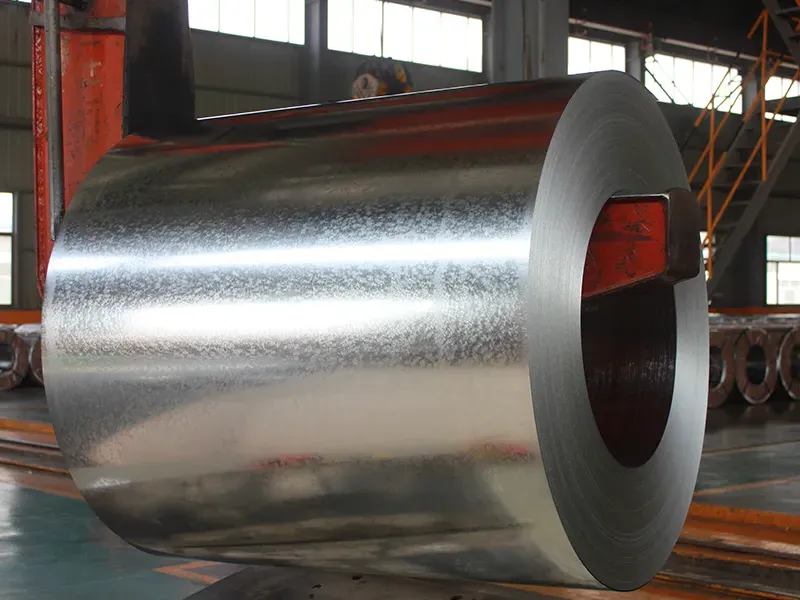 GI
Zinc-coated steel for forming, fabrication and building applications.
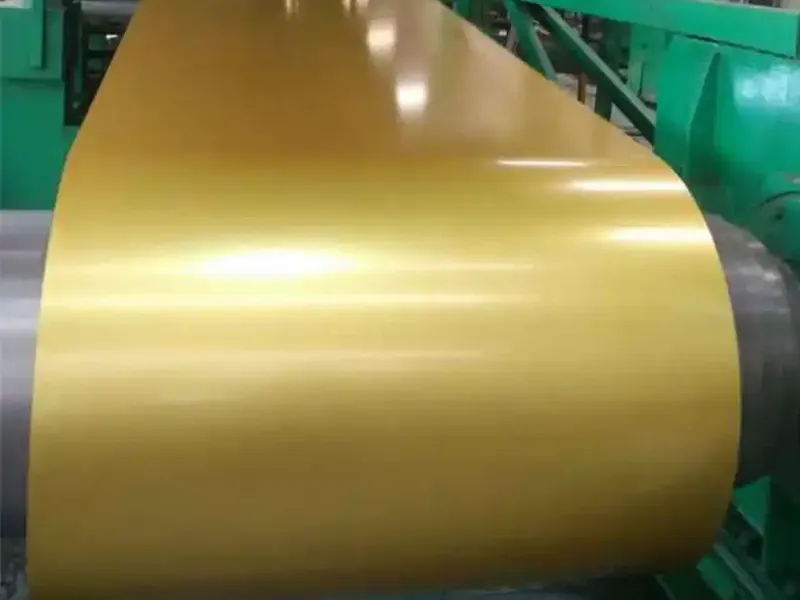 GL
Steel with an aluminium-zinc alloy coating.
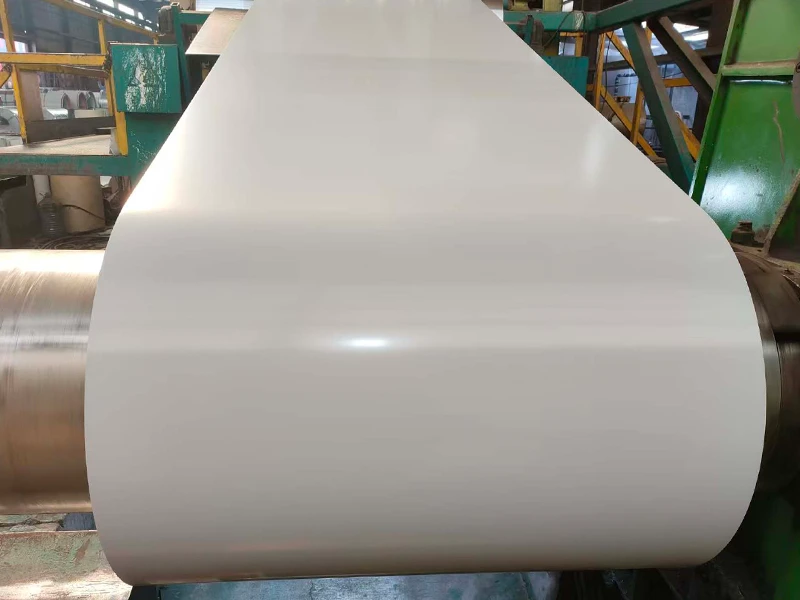 PPGI / PPGL
Prepainted steel for roofing, wall panels and formed components.
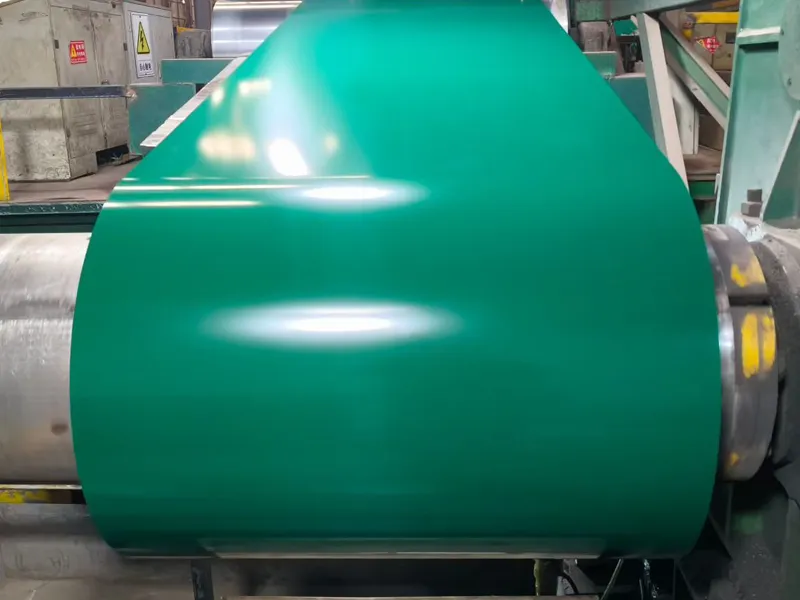 AL / PPAL
Aluminium coils specified by alloy, temper and surface treatment.
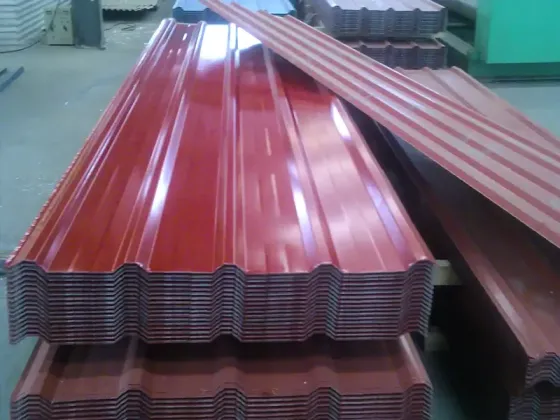 CCSS
Profiled steel sheets for roofing and building enclosure applications.