Continuous hot-dip coating
A cold-rolled steel substrate passes through a molten-zinc coating process. The zinc layer provides a barrier and sacrificial protection; the steel grade still determines the mechanical specification.
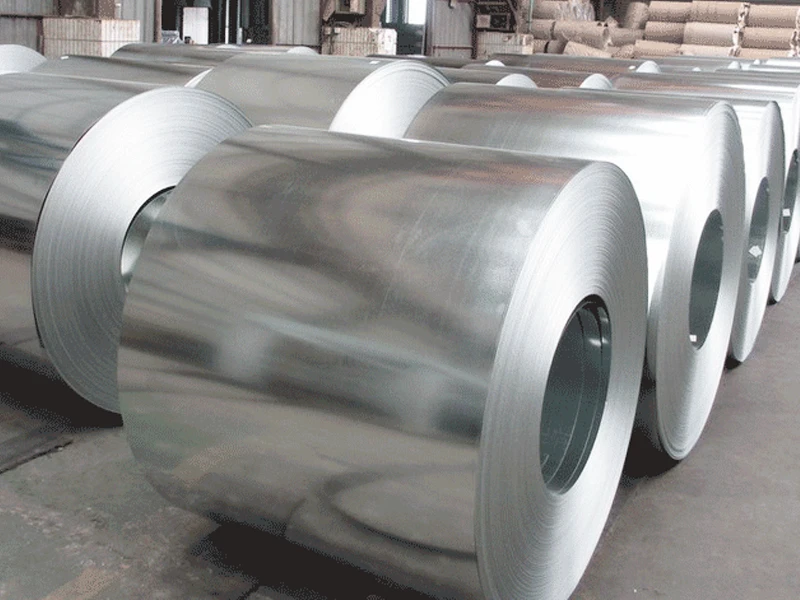
Galvanized steel combines a steel base with a zinc coating. It is commonly selected when corrosion protection and further forming are important. The required steel grade, coating mass and surface finish depend on the intended use and service environment. Share those requirements with your inquiry rather than relying on appearance alone.
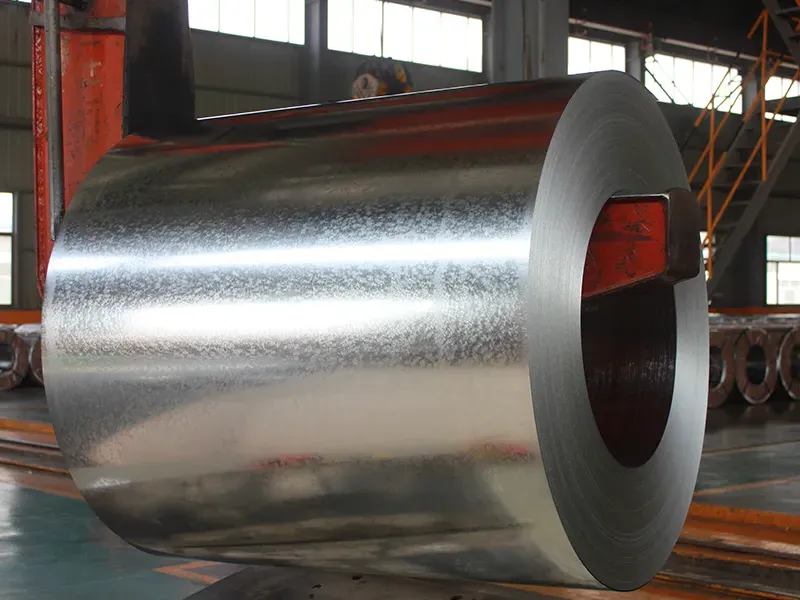 View product images +
The steel grade must suit subsequent bending, stamping or roll forming. The specification also covers the galvanizing process, sheet-thickness tolerance and finished-surface requirements.
Z zinc coating or ZF zinc-iron alloy coating is defined under the applicable standard. Coating mass per unit area and spangle are specified separately; appearance does not replace the coating specification.
An inquiry includes substrate, coating and surface requirements, as well as thickness, width, coil weight and packing. Quantity and destination are needed for further confirmation of supply requirements.
PRODUCT INFORMATION
Product specifications cover material, dimensions, finish and purchasing conditions. Final supply specifications, suitability, availability and commercial terms remain subject to confirmation.
Applications are general material examples, not a guarantee of suitability for a specific project.
GI / PRODUCT INFORMATION
Technical values below describe the referenced catalogue product. Confirm the final specification, current availability and suitability before ordering.
| Parameter | Reference detail |
|---|---|
| Thickness | 0.085–1.5 mm |
| Width | 150–1250 mm |
| Coating mass | 20–260 g/m² |
| Coating designations | Z · ZF |
| Coil weight | 2–10 t |
| Surface options | Regular spangle · Fine spangle · Zero spangle · Polished · Rough finish |
| Standards in reference catalogue | JIS G3302 · ASTM A653 · EN 10346 |
MATERIAL SELECTION
The original catalogue includes regular, fine and zero-spangle finishes, plus polished or rough surfaces. Specify the finish alongside coating mass and dimensions. A visual finish is not a substitute for the required corrosion-protection specification.
PACKING & HANDLING
Product selection
A cold-rolled steel substrate passes through a molten-zinc coating process. The zinc layer provides a barrier and sacrificial protection; the steel grade still determines the mechanical specification.
Regular, fine and zero-spangle surfaces describe the visible zinc crystallisation. They are distinct from the coating-mass requirement. Specify both when appearance and corrosion protection matter.
Bending, stamping, profiling and welding impose different requirements on the substrate and surface. Include the intended operation, thickness tolerance and required finish when specifying material for purlins, decking or appliance housings.
Z denotes a zinc coating, while ZF denotes a zinc-iron alloy coating. These coating designations describe a different requirement from spangle appearance and must be read together with the specified material standard.
A continuous hot-dip route can include uncoiling and strip joining, cleaning and degreasing, reduction annealing, hot-dip coating, air-knife control, cooling, skin passing or levelling, passivation and recoiling. These describe process stages; final grade, coating and acceptance criteria still define the ordered product.
A surface option without a visible regular spangle pattern. Specify the steel grade, zinc-coating mass and surface requirements independently.
A visible crystallised zinc surface for hot-dip galvanized sheet. Appearance, coating designation and coating mass remain separate specification items.
A general galvanized-coil entry for forming and fabrication. Confirm the process route and coating designation in the order rather than inferring them from a commercial name.
Fine-spangle appearance. A separately listed specification uses 0.15–1.60 mm thickness, 700–1260 mm width and 30–120 g/m² coating, with a maximum 10 t coil and 508 mm internal diameter. Confirm the selected specification; these values must not be combined with the wider family table.
PRODUCTS
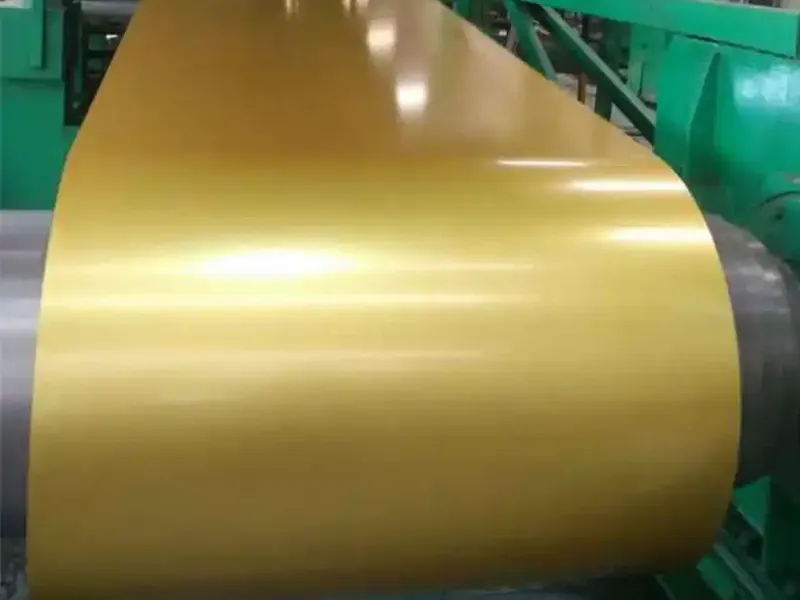 GL
Steel with an aluminium-zinc alloy coating.
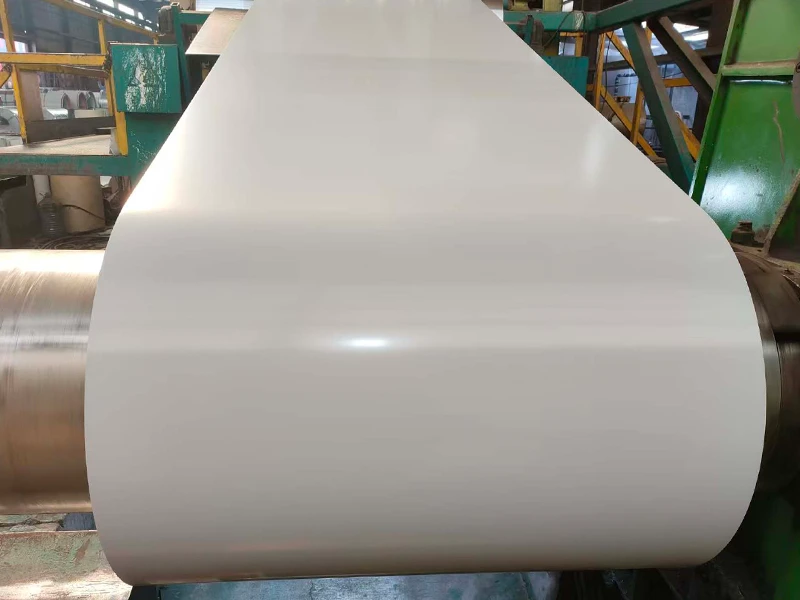 PPGI / PPGL
Prepainted steel for roofing, wall panels and formed components.
 SS
Stainless coil materials selected by grade, finish and application.
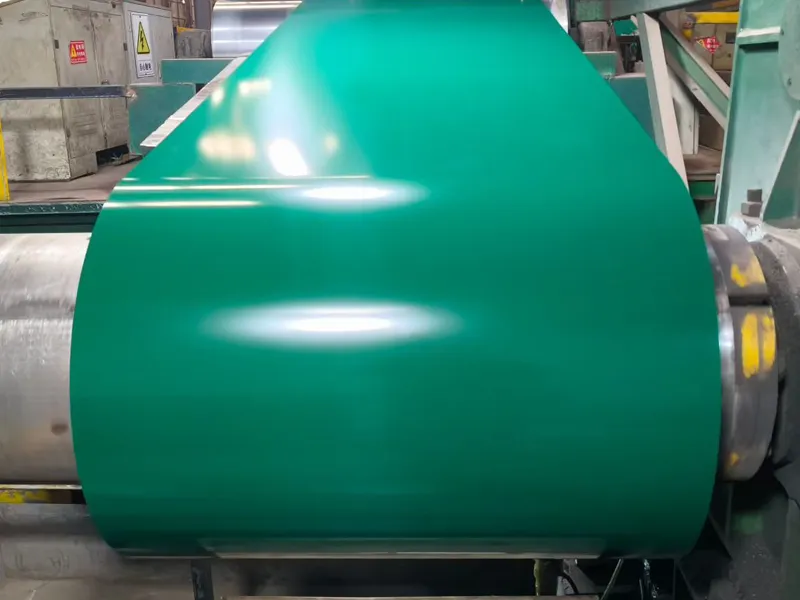 AL / PPAL
Aluminium coils specified by alloy, temper and surface treatment.
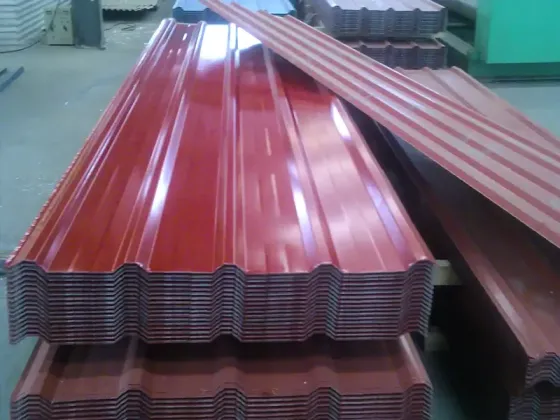 CCSS
Profiled steel sheets for roofing and building enclosure applications.