Cutting requires dimensional and edge control; welding involves joints and thermal distortion; bending and stamping depend on material condition and formability. Painting requires suitable cleaning and pretreatment. Thin sheet, painted material and different tempers should not be assumed to use identical process settings.
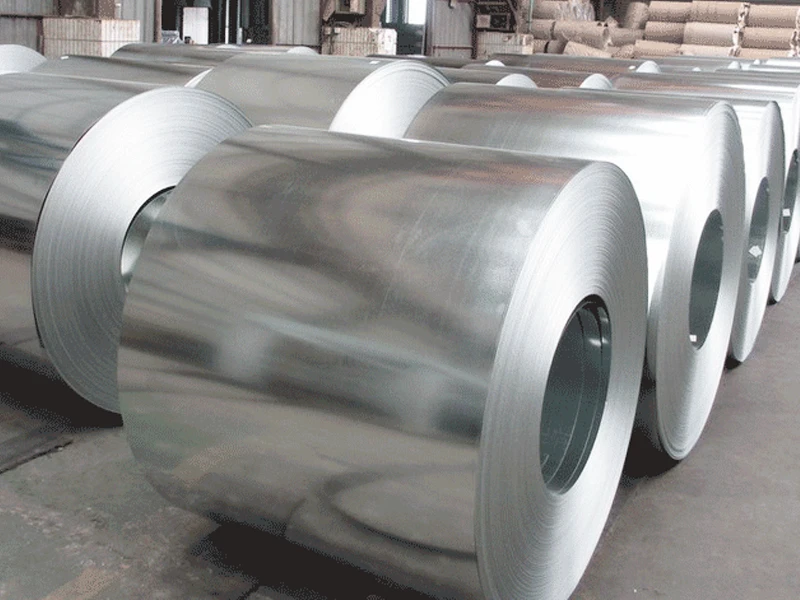
Forming and fabrication
Bending, stamping, profiling and welding impose different requirements on the substrate and surface. Include the intended operation, thickness tolerance and required finish when specifying material for purlins, decking or appliance housings.
Edges and visible components
Slit and mill edges, thickness tolerances and the chosen finish affect the specification for elevator doors, balustrades, signage and appliance panels. Identify visible faces and subsequent cutting, bending or welding operations.
Alloy, temper and fabrication
O, H14, H18 and H24 are listed temper designations. Specify the alloy and temper together with bending, profiling or panel-fabrication requirements; the alloy number alone does not define the supplied material condition.
Sheet fabrication and surface treatment
Cutting and edges
Cutting requirements cover dimensions and edge conditions, with the relevant fabrication locations defined by the component drawing.
Welding and thermal distortion
Welding requirements address joint locations and thermal distortion. These are reviewed separately from cutting dimensions and edge requirements.
Bending and stamping
Bending and stamping conditions depend on the specific grade and material condition. Thin sheet, prepainted sheet and different material states require separate confirmation of processing conditions.
Preparation for painting
Cleaning and pretreatment requirements before painting must align with the finished-surface requirements and be reviewed together with cutting, welding and forming conditions.