Galvalume and other coated sheet can be specified for metal furniture, shelving and logistics equipment, electrical cabinets and equipment housings. Each component connects structural requirements, cutting and forming, joints and visible surfaces. The application name does not replace a drawing, material grade or project-specific design.
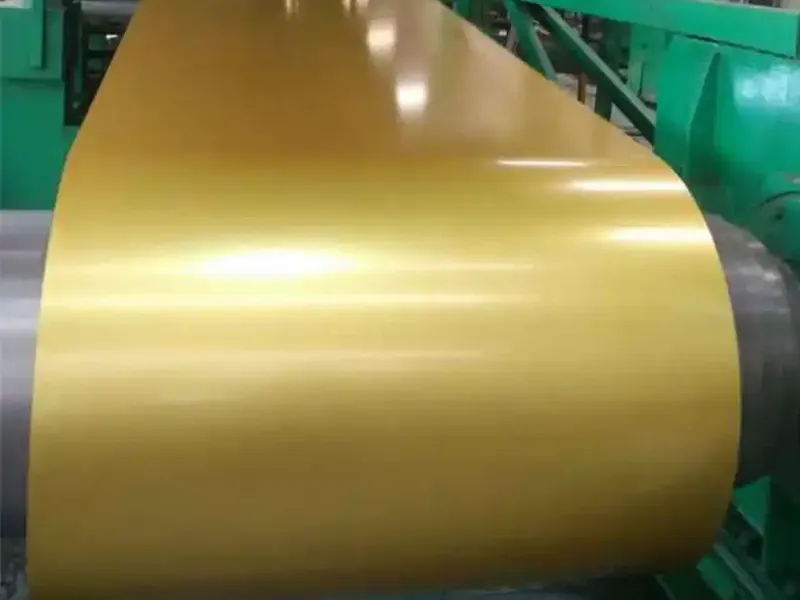
Forming and fabrication
Bending, stamping, profiling and welding impose different requirements on the substrate and surface. Include the intended operation, thickness tolerance and required finish when specifying material for purlins, decking or appliance housings.
Edges and visible components
Slit and mill edges, thickness tolerances and the chosen finish affect the specification for elevator doors, balustrades, signage and appliance panels. Identify visible faces and subsequent cutting, bending or welding operations.
Painted architectural surfaces
PPAL lists PE, PVDF and FEVE systems, with separate face and reverse-side film requirements. Façade panels, canopies, gutters, ceilings, louvres and composite-panel skins require their own alloy, finish and fabrication specification.
Material requirements for furniture, storage and enclosures
Metal furniture
Furniture component drawings need to define visible faces and joint locations, with corresponding cutting and forming requirements.
Shelving and storage equipment
Load or structural requirements for shelving and storage and logistics equipment should be specified by component and reviewed against the project design together with cutting, forming and joining methods.
Electrical cabinets and equipment housings
Material requirements for electrical cabinets and equipment housings cover the component drawing, material grade and exposed faces, together with the relevant forming and assembly-joint conditions.