Annealing can reduce the effects of work hardening, relieve residual stress and support subsequent bending, stamping or deep drawing. The required condition depends on the alloy or steel grade and processing route. Specify the material condition for the operation; annealing is not a single interchangeable treatment for every metal.
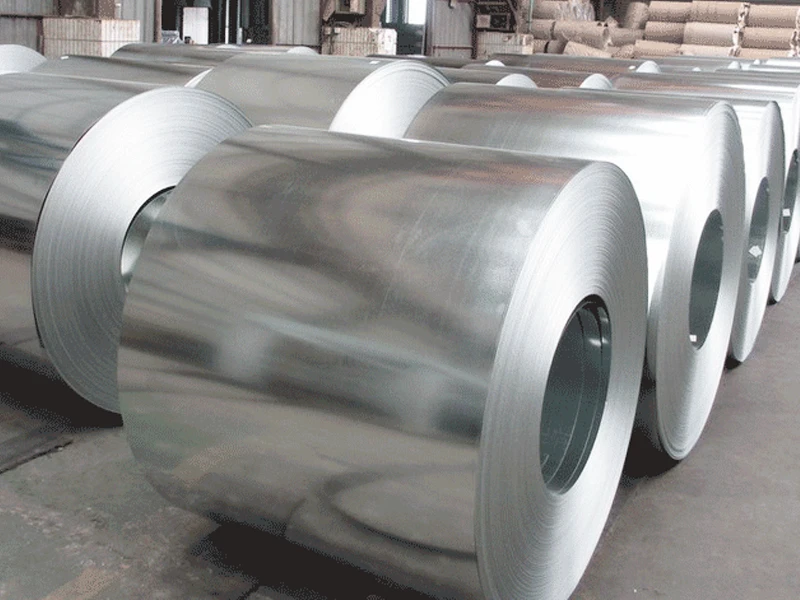
Alloy, temper and fabrication
O, H14, H18 and H24 are listed temper designations. Specify the alloy and temper together with bending, profiling or panel-fabrication requirements; the alloy number alone does not define the supplied material condition.
Temper designations
O means annealed. H14 is strain-hardened half-hard and H18 strain-hardened full-hard. H24 is strain-hardened and then partially annealed to a half-hard condition. These codes describe material condition; the same alloy in different tempers cannot be assumed to form identically.
Grade and rolling route
The range lists 201, 304, 316, 430, 310S and 904L. Grade, hot- or cold-rolled condition and dimensions must be stated together. A similar polished appearance does not make different grades interchangeable.
Annealing and material condition for forming
Work hardening and residual stress
Annealing concerns work hardening, residual stress and the material condition needed for subsequent forming. Treatment conditions must be established separately for different metals.
Grade, alloy and forming requirements
Material specifications should identify both the steel grade or alloy and the material condition, in relation to the processing route and the required bending, stamping or deep drawing. Different conditions of the same alloy also require separate assessment against the forming operation.